Recognizing Elbow Pain Symptoms: When Home Care Isn’t Enough
At the practice of James C. Walter, MD, we understand that elbow pain can significantly impact your daily activities, from simple tasks like lifting a coffee cup to performing your job or enjoying your favorite sports. As a board-certified orthopedic surgeon with over 20 years of specialized experience in upper extremity conditions, Dr. Walter has successfully treated thousands of patients with various forms of elbow discomfort. Our approach combines cutting-edge diagnostic technology with personalized treatment plans that prioritize both pain relief and functional recovery. What sets our practice apart is our commitment to conservative treatment whenever possible, reserving surgical intervention for cases where it’s truly necessary. We believe in empowering our patients through education about their condition and involving them in the treatment decision-making process. This patient-centered approach has earned us recognition as a leading orthopedic practice for elbow conditions, with many of our new patients coming through personal referrals from those who have experienced successful outcomes under our care.
Common Causes of Elbow Pain: Beyond the Basics
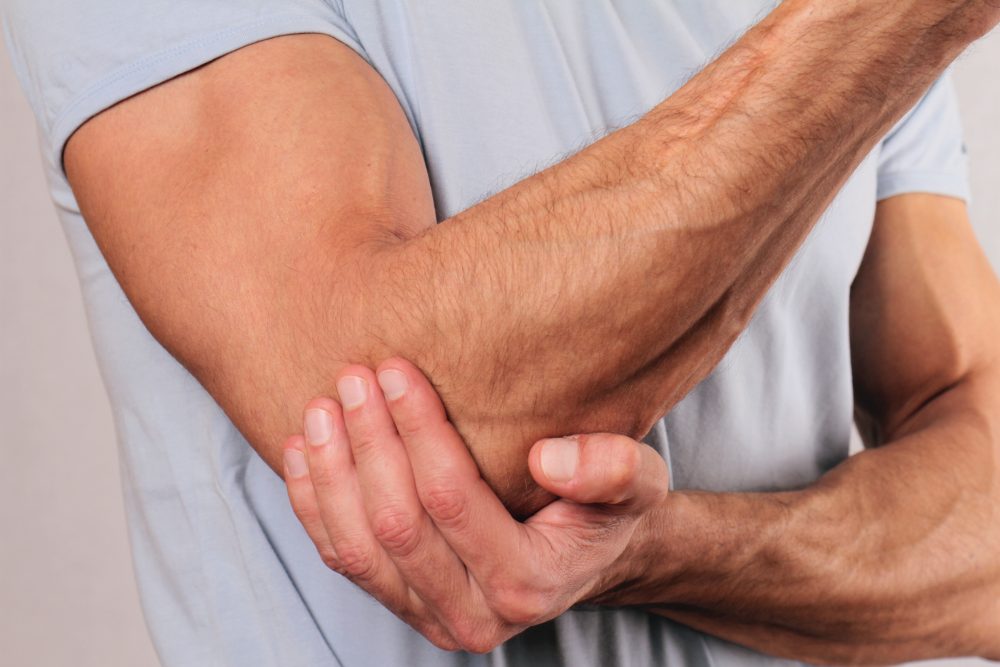
Elbow pain stems from various conditions that affect different structures within this complex joint:
Overuse Injuries
The most frequent causes of elbow pain are conditions resulting from repetitive stress. Tennis Elbow (Lateral Epicondylitis) affects the outside part of the elbow, occurring when tendons attaching to the lateral epicondyle become inflamed due to repetitive wrist and arm motions. Despite its name, only about 5% of cases occur in tennis players. It’s common in painters, plumbers, carpenters, and frequent computer users, affecting approximately 1-3% of the population.
Golfer’s Elbow (Medial Epicondylitis) affects the inside aspect of the elbow and is less common than tennis elbow but equally debilitating. It typically results from activities requiring repetitive wrist flexion and forearm pronation, such as golfing, throwing sports, and certain occupational tasks.
Olecranon Bursitis, often called “student’s elbow” or “miner’s elbow,” involves inflammation of the bursa (fluid-filled sac) at the pointed end of the elbow. While often caused by prolonged pressure on the elbow, it can also result from trauma, infection, or inflammatory conditions like gout.
Traumatic Injuries
Sudden injuries account for approximately 30% of elbow pain cases. Fractures can occur in any of the three bones that make up the elbow during falls or direct impacts. Radial head fractures are particularly common, accounting for approximately 20% of all elbow fractures.
Sprains and strains involve damage to ligaments (sprains) or muscles/tendons (strains) around the elbow joint. They typically occur during sports activities or falls where the arm is outstretched.
Elbow dislocations occur when the bones of the forearm (radius and ulna) are forced out of alignment with the humerus. These painful injuries require immediate medical attention to prevent long-term complications.
Degenerative Conditions
Age-related changes affect many patients over 45. While less common in the elbow than in weight-bearing joints, osteoarthritis can develop due to previous injuries, genetic factors, or age-related wear. It’s characterized by cartilage deterioration, leading to pain, stiffness, and reduced range of motion.
Nerve compression syndromes like cubital tunnel syndrome (compression of the ulnar nerve) can cause pain, numbness, and tingling that radiates from the elbow to the hand, particularly affecting the ring and little fingers.
Recognizing Warning Signs: When to Seek Professional Care
While mild elbow discomfort occasionally resolves with rest and home care, certain symptoms warrant prompt medical attention:
Red-Flag Symptoms
Contact our office immediately if you experience significant swelling or deformity, which may indicate a fracture, dislocation, or severe inflammation requiring prompt treatment. Inability to straighten or bend the arm suggests potential joint damage or blockage beyond what pain would normally limit.
Sharp pain during specific movements, particularly if accompanied by an audible “pop” or “snap,” may indicate tendon or ligament damage. Numbness or tingling in the hand or fingers suggests nerve involvement that requires specialist evaluation.
Pain persisting beyond 2-3 weeks despite appropriate rest and home care indicates a condition that needs professional assessment. Studies show that delayed treatment of conditions like tennis elbow can lead to chronic pain and functional limitations, with recovery times increasing significantly when treatment is postponed beyond 3-6 months of symptom onset.
Self-Care vs. Professional Treatment
While rest, ice, compression, and elevation (RICE) are appropriate initial responses to minor elbow discomfort, persistent or severe symptoms require expert evaluation. Early intervention often leads to faster recovery and better long-term outcomes, particularly for inflammatory and degenerative conditions.
Diagnostic Approach: How We Identify the Source of Your Elbow Pain
At James C. Walter, MD, our diagnostic process begins with a comprehensive review of your symptoms and medical history. Understanding when your pain started, what makes it better or worse, and your overall health provides essential context for accurate diagnosis. Dr. Walter then conducts a thorough physical examination, evaluating the strength and range of motion in your elbow and assessing how the pain affects your functional abilities.
To complement the clinical evaluation, we perform appropriate imaging tests right in our office. X-rays help identify bone-related issues such as fractures, dislocations, or arthritic changes, while MRI scans provide detailed images of soft tissues including tendons, ligaments, and cartilage. This combined approach ensures we identify the precise source of your discomfort before recommending any treatment.
Our Personalized Treatment Approach
Dr. Walter develops individualized treatment plans based on your specific diagnosis, activity level, and personal goals. Our philosophy emphasizes starting with conservative approaches whenever appropriate:
Non-Surgical Care Options
For most elbow conditions, we begin with non-surgical treatments that effectively address pain and promote healing. Physical therapy plays a central role in recovery, with customized exercise programs designed to restore strength, flexibility, and proper movement patterns. Many patients benefit from anti-inflammatory medications that reduce pain and swelling, allowing for more effective rehabilitation.
For more persistent inflammation, Dr. Walter may recommend steroid injections that deliver powerful anti-inflammatory medication directly to the affected area. When appropriate, immobilization with a brace or splint provides support and protection during the healing process, particularly for certain injuries or after procedures.
Advanced Surgical Solutions When Needed
If your elbow pain persists despite conservative measures, Dr. Walter may recommend surgical intervention. We offer advanced procedures including minimally invasive arthroscopic surgery, which uses small incisions and specialized instruments to address issues within the elbow joint. This approach typically results in less post-operative pain, reduced scarring, and faster recovery compared to traditional open surgery.
For more complex conditions such as severe fractures, joint reconstruction, or extensive tissue damage, Dr. Walter brings decades of surgical expertise to ensure optimal outcomes. Each surgical plan is tailored to your specific condition, with a focus on restoring function and alleviating pain for long-term relief.
Don’t Let Elbow Pain Limit Your Life
Elbow discomfort that persists beyond a few days or interferes with your daily activities deserves expert attention. Dr. Walter specializes in diagnosing and treating the full spectrum of elbow conditions, from common overuse injuries to complex traumatic and degenerative problems.
To find relief from your elbow pain, contact our office today to schedule an appointment. Take the first step toward pain-free movement and return to the activities you enjoy.