Yes, early orthopedic care can sometimes help athletes avoid surgery by identifying an injury before it worsens and starting appropriate nonsurgical treatment sooner. Rest, activity modification, rehabilitation, and other conservative treatments may allow certain sports injuries to heal without an operation. However, some severe fractures, complete tears, unstable injuries, and other structural problems may still require surgery regardless of how quickly treatment begins.
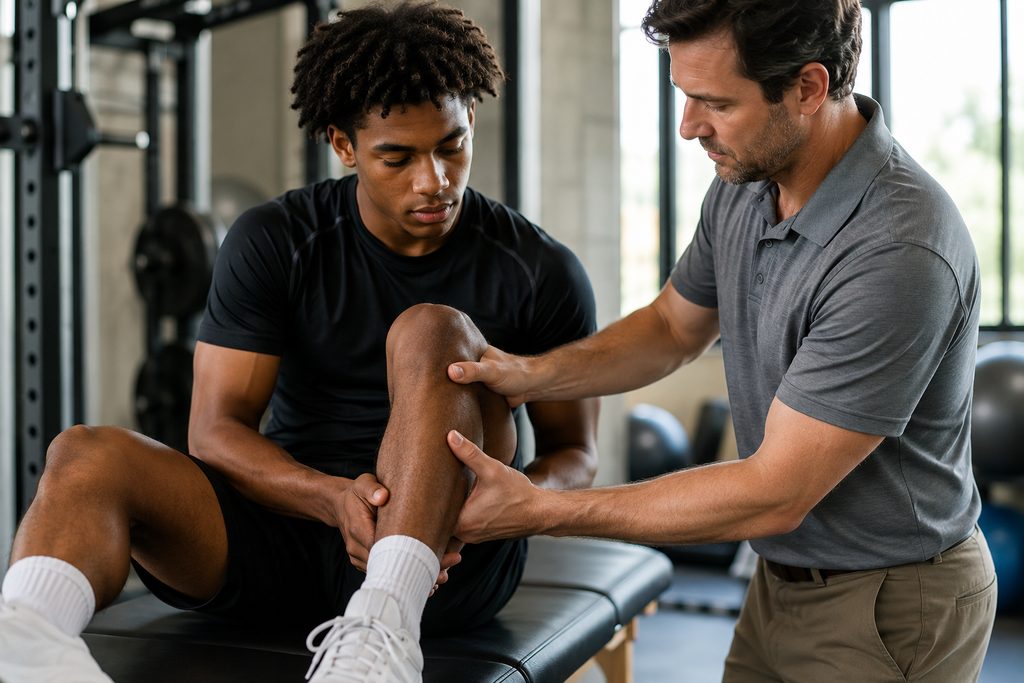
At James C. Walter, MD, athletes receive individualized orthopedic care focused on accurate diagnosis, recovery, and a safe return to activity. Instead of assuming that every painful sports injury requires surgery, an orthopedic evaluation considers how the injury occurred, which structures are affected, the athlete’s symptoms, and the demands of their sport. When appropriate, treatment can begin with conservative options designed to protect injured tissue while restoring mobility, strength, and function. Early evaluation can be especially valuable for athletes who are tempted to keep training through pain, since repetitive stress can turn a manageable problem into a more significant injury.
How Early Sports Medicine Treatment May Reduce the Need for Surgery
Early sports medicine care gives athletes an opportunity to address an injury before continued training or competition causes additional damage. The sooner the cause of persistent pain is identified, the sooner an athlete can make informed decisions about activity, rehabilitation, and recovery.
This does not mean every minor ache requires an orthopedic appointment. It means athletes should pay attention when symptoms persist, worsen, affect performance, or change normal movement.
When Should an Athlete See an Orthopedic Doctor for an Injury?
Athletes should consider an orthopedic evaluation when pain does not improve with reasonable rest, repeatedly returns during activity, or begins affecting strength, stability, movement, or performance.
Warning signs include:
- Pain that becomes progressively worse
- Swelling that persists or repeatedly returns
- Difficulty bearing weight or using the injured joint normally
- Loss of strength or range of motion
- A joint that feels unstable or gives way
- Locking, catching, or popping associated with pain
- Pain that occurs during normal daily activities or at rest
- An injury that prevents normal participation in a sport
Young athletes deserve particular attention because overuse problems can develop gradually. The American Academy of Pediatrics reports that about half of sports-related injuries in children result from overuse. These injuries occur when bones, muscles, tendons, or other tissues experience repeated stress without adequate recovery.
Pain after training can be an early warning sign. Waiting until the athlete can no longer participate may allow an overuse injury to progress.
How Can Early Treatment Prevent a Sports Injury From Getting Worse?
Early treatment can protect damaged tissue from repeated stress while addressing factors that may be contributing to the injury. Depending on the diagnosis, an athlete may not need to stop all physical activity. Instead, the treatment plan can modify the activities placing excessive stress on the injured area.
Nonsurgical orthopedic treatment may include:
- Activity modification: Temporarily reducing or changing movements that aggravate the injury can give tissue an opportunity to recover.
- Physical therapy: Targeted exercises can improve mobility, strength, balance, and movement mechanics.
- Gradual return to sport: Progressively increasing activity can help determine whether the injured area is ready for higher athletic demands.
- Rest and recovery: Adequate recovery is particularly important for overuse injuries caused by repetitive training.
- Sport-specific adjustments: Changes to training volume, technique, equipment, or repetitive movements may reduce ongoing stress.
The goal is not simply to eliminate pain. Effective orthopedic care also seeks to restore function and reduce the chance that the athlete immediately aggravates the same injury after returning to competition.
Can Playing Through Pain Make Surgery More Likely?
Playing through an untreated injury can sometimes make the problem worse, although it does not automatically mean an athlete will eventually need surgery. The risk depends on the type and severity of the injury and the amount of continued stress placed on the affected tissue.
This is particularly relevant with overuse injuries. The American Academy of Pediatrics describes a progression in which an athlete may initially experience pain only after activity. Pain can then occur during participation and eventually become severe enough to prevent sports participation or occur even at rest.
Athletes should avoid using pain as the only measure of whether they are safe to compete. Adrenaline, motivation, and competitive pressure can make it tempting to continue playing even when normal movement or strength has changed.
A better rule is to pay attention to function as well as pain. Persistent weakness, instability, reduced motion, swelling, or altered movement can all signal the need for evaluation.
Why Is Preventing Overuse Important for Athletes?
Adequate recovery is one of the most important ways athletes, especially young athletes, can reduce their risk of overuse injuries.
The American Academy of Pediatrics recommends that young athletes have at least one day of rest per week from organized sports activities and two to three months away from each specific sport every year. The organization notes that excessive training without enough recovery can contribute to overuse injuries and overtraining.
Sports specialization can also affect injury risk. A systematic review and meta-analysis published in Pediatrics found that highly specialized young athletes had a 1.81 times greater risk of overuse musculoskeletal injury compared with athletes with low specialization.
Athletes can help protect themselves by:
- Building rest days into training schedules
- Increasing training loads gradually
- Avoiding sudden spikes in repetitive activity
- Maintaining appropriate strength and conditioning
- Using proper sport-specific technique
- Getting adequate sleep and nutrition
- Reporting persistent pain rather than hiding it
- Seeking sports orthopedic care when symptoms do not improve
For young athletes, parents and coaches can also watch for subtle changes such as declining performance, altered mechanics, recurring complaints of soreness, or reluctance to use an injured arm or leg.
Does Early Orthopedic Care Guarantee You Can Avoid Surgery?
No. Early orthopedic treatment can improve opportunities for conservative care in appropriate injuries, but it cannot eliminate the need for surgery when an injury requires surgical repair.
Some injuries involve structural damage that may not heal adequately without an operation. Examples can include certain displaced fractures, complete tendon or ligament tears, unstable joints, or injuries that cause significant mechanical problems.
The value of early evaluation is that an athlete does not have to guess.
An orthopedic surgeon can determine whether continued conservative treatment is reasonable or whether surgery offers a more appropriate path toward restoring stability and function. If surgery is necessary, identifying that need promptly can also help the athlete begin the correct treatment plan rather than spending weeks or months pursuing options unlikely to solve the problem.
Frequently Asked Questions About Avoiding Sports Injury Surgery
Can most sports injuries heal without surgery?
Many sports injuries can be managed without surgery, depending on the diagnosis and severity. Rest, rehabilitation, activity modification, and other nonsurgical treatments may be appropriate, while severe structural injuries can require an operation.
How long should an athlete wait before seeing an orthopedic doctor?
There is no single timeline for every injury. Athletes should seek prompt evaluation for severe pain, deformity, inability to use or bear weight on an injured limb, significant instability, or other serious symptoms. Persistent or recurring pain that affects performance also warrants evaluation.
Is rest enough to treat an overuse injury?
Sometimes rest helps, but persistent overuse injuries may require more than simply taking time off. Identifying training errors, weakness, mobility limitations, technique problems, or other contributing factors can help support recovery and reduce recurrence.
Can physical therapy prevent orthopedic surgery?
Physical therapy can help some athletes recover without surgery when rehabilitation is appropriate for their specific injury. It cannot repair every structural injury, so the treatment decision should be based on an accurate diagnosis rather than a desire to avoid surgery at all costs.
Address Sports Injuries Before They Become Bigger Problems
For athletes, staying healthy is not about ignoring pain so they can keep playing. It is about recognizing warning signs early and responding before a manageable injury becomes a more serious problem.
Early orthopedic care may help some athletes avoid surgery by providing an accurate diagnosis, protecting injured tissue, correcting contributing factors, and guiding a structured return to sport. When surgery is necessary, an early evaluation can also prevent unnecessary delays in receiving appropriate treatment.
Dealing with a sports injury that is not getting better? Contact James C. Walter, MD, to schedule an orthopedic evaluation and learn which treatment options may help you return to the activities you enjoy.