Orthopedic surgeons treat sports-related elbow injuries by identifying the damaged tendons, ligaments, muscles, or bones and developing a treatment plan based on the injury’s severity. Common treatments include rest, activity modification, physical therapy, bracing, and medication. When conservative treatments are unsuccessful or significant structural damage is present, elbow surgery may be recommended to restore stability, reduce pain, and improve function.
Sports-related elbow injuries can affect athletes of all ages and skill levels, from competitive baseball pitchers and tennis players to recreational golfers and weightlifters. Repetitive movements, overuse, and sudden trauma can lead to pain, inflammation, and reduced performance. Without proper care, some elbow injuries can become persistent problems that interfere with both athletic activities and everyday tasks.
At James C. Walter, MD, patients receive personalized orthopedic care focused on diagnosing elbow injuries and developing effective treatment plans. With expertise in orthopedic surgery and sports medicine, Dr. Walter helps patients understand their injuries, explore nonsurgical and surgical treatment options, and work toward a safe return to activity. Whether you’re experiencing ongoing elbow discomfort or recovering from an acute sports injury, early evaluation can make an important difference in your recovery.
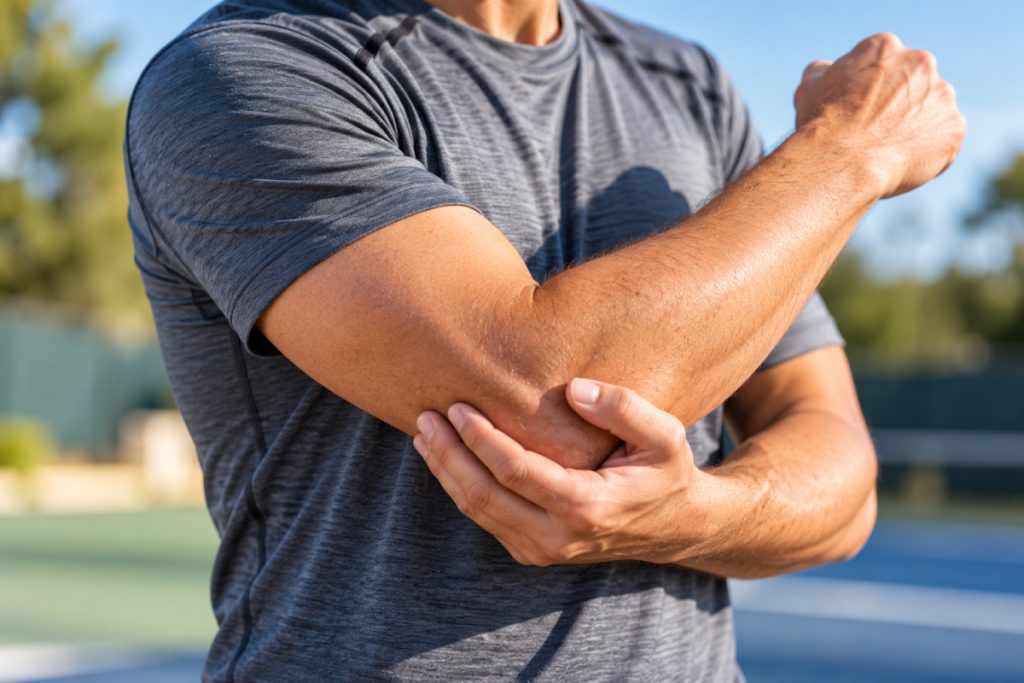
Sports Medicine Treatment Options for Common Elbow Injuries
The elbow is a complex joint where three bones meet: the humerus, radius, and ulna. Ligaments provide stability, while muscles and tendons allow the arm to bend, straighten, and rotate.
Athletes place significant demands on these structures through throwing, swinging, lifting, and repetitive arm movements. Understanding which tissues are injured helps an orthopedic surgeon determine the most appropriate treatment.
What Are the Most Common Sports-Related Elbow Injuries?
Sports-related elbow injuries generally result from repetitive stress, overuse, or sudden force applied to the joint.
Some of the most common conditions include:
Tennis Elbow (Lateral Epicondylitis)
Tennis elbow develops when the tendons on the outside of the elbow become irritated or damaged from repetitive wrist and forearm movements.
Common symptoms include:
- Pain along the outside of the elbow
- Weakness when gripping objects
- Discomfort when lifting or twisting the wrist
- Tenderness that worsens with repetitive activity
Despite its name, tennis elbow can affect anyone who regularly performs gripping or repetitive wrist movements.
Golfer’s Elbow (Medial Epicondylitis)
Golfer’s elbow affects the tendons on the inside of the elbow. It frequently develops from repetitive wrist flexion, gripping, and forearm movements.
Symptoms may include inner elbow pain, tenderness, grip weakness, and discomfort during swinging or throwing activities.
Ulnar Collateral Ligament (UCL) Injuries
The UCL helps stabilize the inside of the elbow and is especially important during overhead throwing.
Baseball pitchers and other throwing athletes may develop UCL injuries from repetitive stress. Symptoms can include inner elbow pain, decreased throwing velocity, and a feeling of instability.
Elbow Sprains, Fractures, and Dislocations
Sudden falls, collisions, or direct impacts can damage the ligaments or bones surrounding the elbow.
These injuries may cause immediate pain, swelling, bruising, deformity, or difficulty moving the arm. Suspected fractures and dislocations require prompt medical evaluation.
How Does an Orthopedic Surgeon Diagnose an Elbow Injury?
An accurate diagnosis is essential because different elbow injuries require different treatments.
An orthopedic surgeon typically begins by reviewing the patient’s symptoms, medical history, and athletic activities. Understanding when the pain started and which movements aggravate it helps identify potential sources of injury.
The evaluation may include:
- Physical examination: Assessing tenderness, range of motion, strength, and joint stability.
- Movement assessment: Identifying throwing, lifting, or gripping motions that reproduce symptoms.
- X-rays: Checking for fractures, bone abnormalities, or other structural concerns.
- MRI or ultrasound: Evaluating tendons, ligaments, and surrounding soft tissues when indicated.
For example, persistent pain on the inside of a baseball pitcher’s elbow may suggest a UCL injury, while pain on the outside of the elbow during gripping activities may indicate tennis elbow.
A thorough evaluation helps distinguish minor overuse injuries from conditions that require more specialized treatment.
Can Sports-Related Elbow Injuries Heal Without Surgery?
Yes. Many sports-related elbow injuries improve with nonsurgical treatment, particularly when diagnosed early and managed appropriately.
Orthopedic surgeons often recommend conservative care before considering surgery, depending on the type and severity of the injury.
Common nonsurgical treatments include:
- Rest and activity modification: Temporarily reducing movements that aggravate the injured tissues.
- Physical therapy: Improving flexibility, strengthening supporting muscles, and restoring normal movement patterns.
- Bracing or supportive devices: Reducing stress on affected tendons or ligaments when appropriate.
- Anti-inflammatory medication: Helping manage pain when medically suitable.
- Gradual return-to-sport programs: Reintroducing athletic movements as strength and function improve.
According to the American Academy of Orthopaedic Surgeons (AAOS), approximately 80% to 95% of patients with tennis elbow improve with nonsurgical treatment.
However, recovery times vary. Some mild injuries improve within weeks, while chronic tendon problems or ligament injuries may require several months of rehabilitation.
Athletes should avoid returning to full activity simply because pain has temporarily decreased. Restoring strength, mobility, and proper movement mechanics is important for reducing the risk of reinjury.
When Is Elbow Surgery Necessary for a Sports Injury?
Elbow surgery may be considered when an injury causes significant structural damage, persistent instability, or ongoing symptoms despite appropriate nonsurgical treatment.
The decision depends on the specific injury, the patient’s functional limitations, and their athletic goals.
Common surgical options include:
UCL Reconstruction or Repair
Athletes with significant UCL injuries may require ligament reconstruction, commonly known as Tommy John surgery, or repair in selected cases.
These procedures aim to restore elbow stability, particularly for athletes who participate in repetitive overhead throwing.
Tendon Repair or Debridement
Severe or persistent tendon injuries may occasionally require surgery to remove damaged tissue or repair affected tendons.
Surgery for tennis elbow is generally reserved for patients who continue experiencing substantial symptoms after an extended period of appropriate conservative treatment.
Fracture Fixation and Joint Stabilization
Certain elbow fractures or unstable injuries may require surgical treatment to restore proper alignment and joint stability.
Not every athlete with an elbow injury needs surgery. An experienced orthopedic surgeon can explain the potential benefits, risks, and recovery expectations associated with each treatment option.
How Long Does Recovery Take After an Elbow Injury?
Recovery depends on the injury’s severity, the treatment provided, and the demands of the patient’s sport.
Mild overuse injuries may improve within several weeks, while persistent tendinopathy can take months to resolve. Significant ligament injuries and surgical procedures generally require longer rehabilitation periods.
For example, returning to competitive pitching after UCL reconstruction commonly takes approximately 12 to 18 months, sometimes longer.
Athletes can support their recovery by:
- Following their prescribed rehabilitation program
- Avoiding activities that overload healing tissues
- Gradually rebuilding strength and flexibility
- Correcting improper throwing or lifting mechanics
- Returning to competition only after appropriate medical clearance
A sports medicine orthopedic surgeon may coordinate with physical therapists, athletic trainers, and coaches to develop a progressive return-to-sport plan.
The goal is not simply to eliminate elbow pain, but to restore the strength, stability, and movement needed for long-term athletic participation.
Frequently Asked Questions About Sports-Related Elbow Injuries
What sports cause the most elbow injuries?
Baseball, tennis, golf, gymnastics, and weightlifting commonly place repetitive stress on the elbow. Throwing sports frequently involve ligament injuries, while racket sports and golf are often associated with tendon-related pain.
Should I see an orthopedic surgeon for tennis elbow?
Consider an orthopedic evaluation if tennis elbow symptoms persist despite activity modification and initial treatment, or if pain significantly affects daily activities. Most cases improve without surgery.
Can you continue playing sports with elbow pain?
Continuing to play through elbow pain may worsen certain injuries, particularly ligament tears and overuse conditions. Athletes should seek evaluation when pain persists, affects performance, or causes weakness or instability.
How can athletes prevent recurring elbow injuries?
Proper technique, gradual increases in training intensity, adequate recovery time, and strengthening exercises can help reduce injury risk. Throwing athletes should also follow age-appropriate workload and pitch-count recommendations.
Get Back in the Game With James C. Walter, MD
Sports-related elbow injuries can be frustrating, especially when pain keeps you from participating in the activities you enjoy. Fortunately, many conditions respond well to early diagnosis, personalized treatment, and structured rehabilitation.
At James C. Walter, MD, patients receive individualized orthopedic care focused on relieving elbow pain, restoring mobility, and supporting a safe return to activity. From conservative treatments to surgical options when necessary, Dr. Walter helps patients make informed decisions about their orthopedic health.
Don’t let elbow pain keep you on the sidelines. Contact James C. Walter, MD to schedule an orthopedic consultation and learn more about your treatment options.